


- 23rd Sep '26
- Sell SaaS
- 6 minutes read
How Are Cloud-Based Beauty Tools Changing Virtual Makeovers?
Remember when virtual makeup apps just pasted a rigid block of color over your lips? If you moved your head even an inch, the lipstick stayed floating in midair. We all saw those early iterations. They were funny but completely useless for actual retail sales or salon consultations.
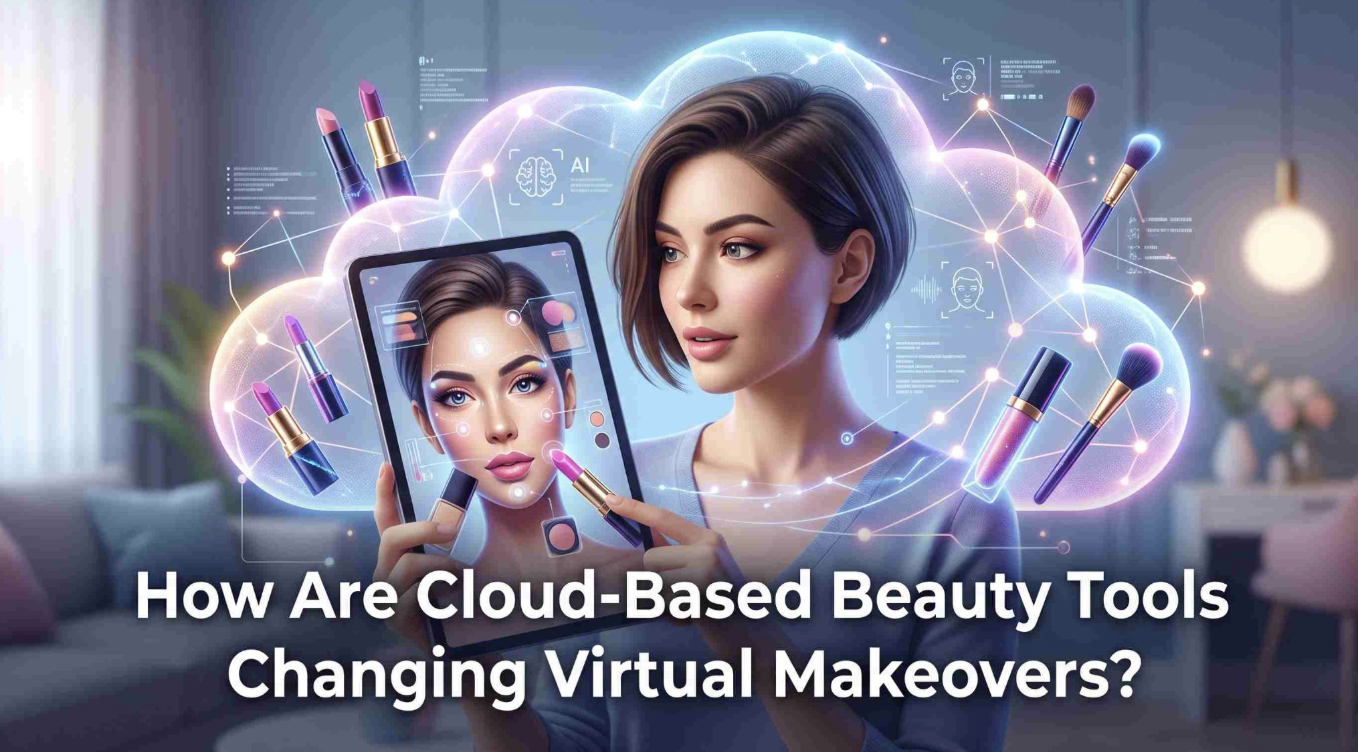
Things look very different today. The shift from local app processing to cloud infrastructure gave these platforms the computing power they needed to map faces accurately in real time. We are no longer dealing with simple camera filters. We are looking at professional grade rendering that happens entirely in a standard mobile web browser.
Moving Heavy Lifting Off the Phone
Running realistic physics on a standard smartphone used to drain the battery and overheat the device within minutes. Hair and skin textures are notoriously hard to render. Every individual strand interacts with light and movement. Skin has pores and varying levels of reflectivity. By pushing the rendering process to cloud servers, companies can show clients highly accurate tracking without forcing them to download a massive application.
This is exactly why a good online hairstyle visualization tool works so well now. The server handles all the complex calculations. A client sitting in their living room can use their everyday phone camera. The remote servers calculate the physics of how a textured bob or a heavily layered cut moves when they turn their head, then stream that video back to the screen instantly.
The salon gets a client who already has a solid idea of what they want. The client avoids the anxiety of a major chop. It removes a massive amount of hesitation from the initial consultation.
Fixing the Lighting Problem
Lighting ruins more virtual makeovers than anything else. A specific foundation shade looks entirely different under harsh fluorescent bathroom lights compared to direct natural sunlight. Early software ignored this completely. A user would select a shade, see it rendered perfectly on the screen, buy the physical product, and hate it when it arrived.
Modern cloud-based platforms actively read the ambient light in the user's camera feed. They adjust the product rendering to match the real-world environment. If a client is sitting in a dim room, the virtual foundation adjusts its reflectiveness. This stops the digital product from looking like a glowing neon sticker superimposed on a dark face.
For cosmetic brands and online retailers, this drop in return rates is the actual return on investment. Product returns in the beauty sector are incredibly expensive because opened cosmetics usually have to be destroyed. When people buy a shade online because the screen showed them an accurate representation in their own bathroom lighting, they tend to keep the physical product.
Expanding the Scope of Services
Color cosmetics provided an easy starting point for this technology. Skin tracking is relatively flat and mapping lips or eyelids is straightforward. Hair modifications and facial structure alterations are entirely different beasts. They require accurate depth mapping and a clear understanding of physical boundaries.
The technology has finally caught up to those requirements. Barbershops and men's salons are increasingly adopting this tech to manage client expectations right at the booking stage. Implementing an online grooming visualization tool lets a guy see exactly how different beard lengths or fade heights align with his specific jawline before the clippers even turn on.
It takes a huge amount of guesswork out of the consultation. You spend less time trying to decipher what a client actually means by "just trim the sides" and more time cutting hair.
Beyond grooming, skincare brands are using cloud processing for diagnostic tools. A user uploads a photo, and the server analyzes texture, redness, and hydration levels. The system then recommends a highly specific product regimen based on visual evidence rather than a basic multiple-choice quiz.
The Business Integration Side
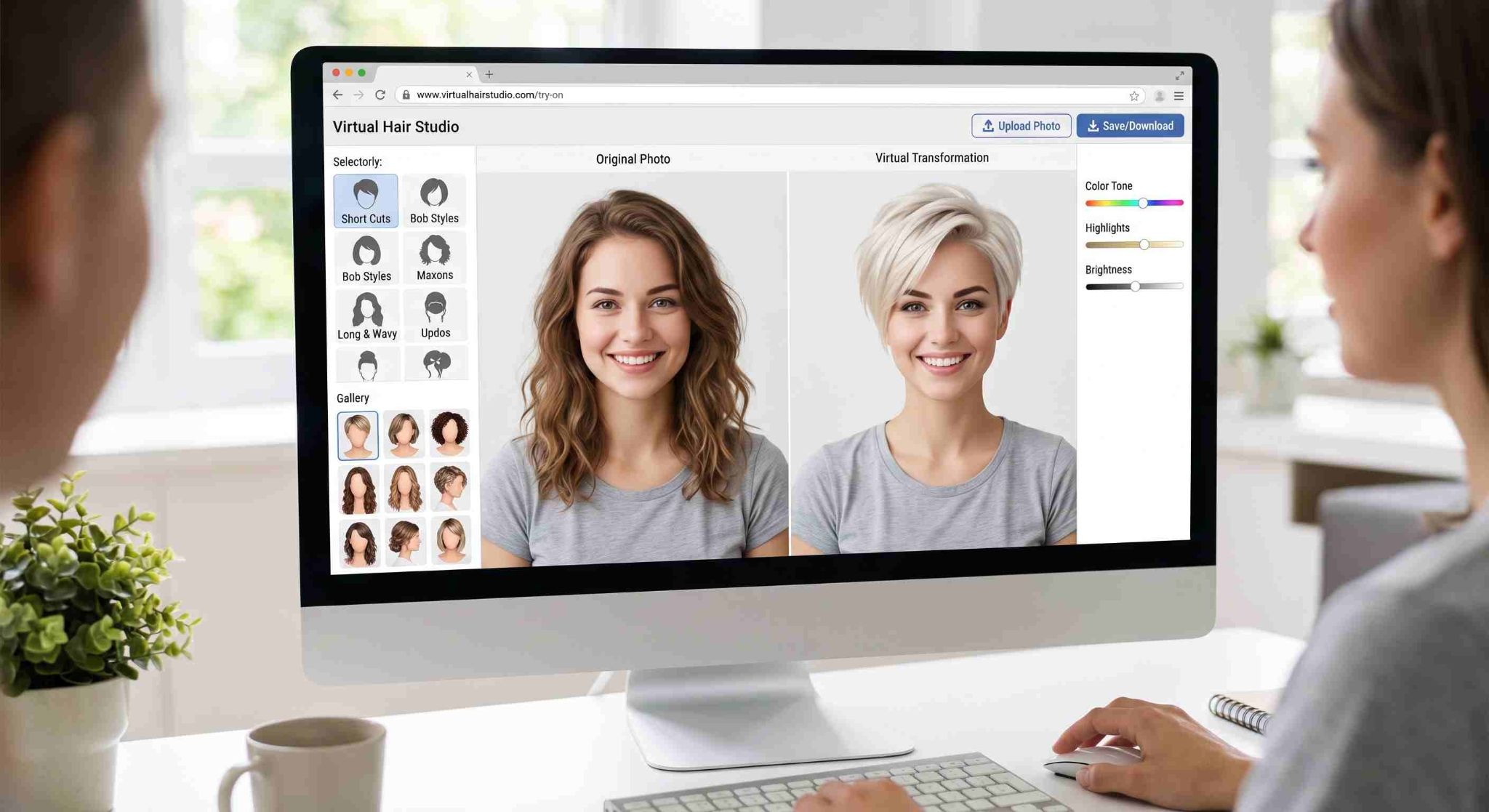
A visually impressive feature is worthless to a business if it fails to tie into daily operations. The current wave of beauty technology connects the camera interface directly to inventory databases and salon booking systems. This bridges the gap between playing with a feature and making a purchase.
Let us say someone uses an online hairstyle transformation tool on a salon website. They try out a complex color correction or a full balayage effect. The system does not just show them the final color. It calculates the time required for that specific chemical service based on their current hair length. It then checks the salon schedule and offers an appointment slot that fits the exact duration needed.
Some advanced systems even flag the required color formulas for the backbar so the stylists know what inventory they need before the client walks through the door. This turns a fun website widget into a direct revenue driver and operational safety net. It prevents clients from booking a simple thirty minute root touch up when they actually need a three hour color correction.
Managing Data Privacy and Client Trust
Processing images in the cloud means biometric data is leaving the user's device. For businesses operating in the United States, managing this data correctly is not optional. Several states have strict biometric privacy laws that carry massive fines for non-compliance.
The major cloud beauty providers handle this by anonymizing the data stream. The server processes the facial map, returns the rendered video, and immediately drops the source image. They do not store the photos. If you are integrating one of these tools into your site, you still need to update your privacy policy. Make it incredibly clear to your users that their photos are used strictly for rendering the visual effect and are not saved or sold. Transparency builds trust. If a client thinks you are harvesting their photos, they will close the browser tab immediately.
Setting Realistic Expectations for Adoption
You do not need to hire developers to build custom software to use these tools. Several major white-label providers sell access to their cloud infrastructure. You pay a subscription fee and plug their API directly into your existing e-commerce site or salon booking page. The barrier to entry is lower than most business owners assume. That said, deployment needs to be strategic.
Start small and focus on your core revenue drivers. If you run a salon, get a basic color matching module first. See how your clients interact with it. If you sell retail products, do not try to digitize your entire catalog on day one. Focus on your top ten bestsellers or the products with the highest return rates.
The ultimate goal is to give clients enough confidence to book the appointment or click the checkout button. The underlying technology is finally reliable enough to actually do that. Focus on the integration and let the cloud handle the processing.