


- 23rd Sep '26
- Sell SaaS
- 6 minutes read
How Can AI-Driven Apps Personalize Your Everyday Wellness and Style Routine?
The consumer technology market has spent the last decade offering broad advice. Fitness platforms told everyone to walk ten thousand steps a day. Styling applications slapped the exact same generic color filters on every face. That approach is largely dead. Today, the focus is firmly on utility based on your highly specific data. AI tools have moved from processing massive datasets in distant data centers to actively managing your morning routine on your local device.
The shift is entirely practical. Consumers don't want to pay for subscriptions that offer generic meal plans and basic workout videos. They want tools that take their specific physical measurements, lifestyle preferences, and photos to generate outputs that apply only to them. The current generation of apps acts less like a reference library and more like an automated personal consultant.
Moving Past Generic Fitness Metrics
Health and wellness tracking used to be an isolated, manual activity. You weighed yourself, tracked a workout on a piece of paper, and maybe looked up some nutritional information online. The tools were completely fragmented. Years ago, you might punch your height and weight into a BMI Calculator online to figure out your baseline physical status. It gave you a static two digit number and nothing else. You had to figure out what to do with that information on your own.
Now, health applications act as central command hubs. They ingest your baseline metrics, overnight sleep data, and daily heart rate variability to adjust your targets in real time. If your wearable device detects poor nervous system recovery, your wellness app scales down your scheduled workout intensity automatically. It shifts from telling you what you should do based on national averages to telling you what your body can physically handle today.
This matters because user compliance drops off a cliff when advice feels irrelevant. A system that adjusts to a skipped lunch, a stressful meeting, or a bad night of sleep keeps users actively engaged. The software is finally treating wellness as a dynamic daily state rather than a fixed end goal. Integration with continuous glucose monitors and smart rings means the AI has a constant feed of chemical and physical data to refine its daily recommendations.
Tailoring Your Appearance Before Making a Change
Personal style and grooming have always relied on a massive leap of faith. You bring a magazine photo or a screenshot to a barber or stylist and hope they can translate that look to your completely different head shape and hair texture. AI applications are removing that specific financial and emotional risk.
The current wave of generative styling apps maps your exact facial structure to project realistic changes before the scissors get involved. If you are considering chopping off a significant amount of length, short hairstyle visualization features analyze your jawline, forehead height, and natural hair density. You upload a quick selfie and the application generates a highly accurate render of how that specific cut will actually look on your face.
This is a significant operational shift for retail and salon environments. Independent stylists are starting to use these tools during client consultations to align expectations early in the appointment. It saves time in the chair and prevents negative reviews caused by buyer remorse. The technology has matured well past the clunky, cartoonish overlays we saw five years ago. We are now looking at photorealistic rendering that accounts for salon lighting and shadow. The same technology is being applied to clothing fit, allowing users to see how a specific brand of jeans drapes on their exact body type before ordering.
Precision in How We Communicate with Technology
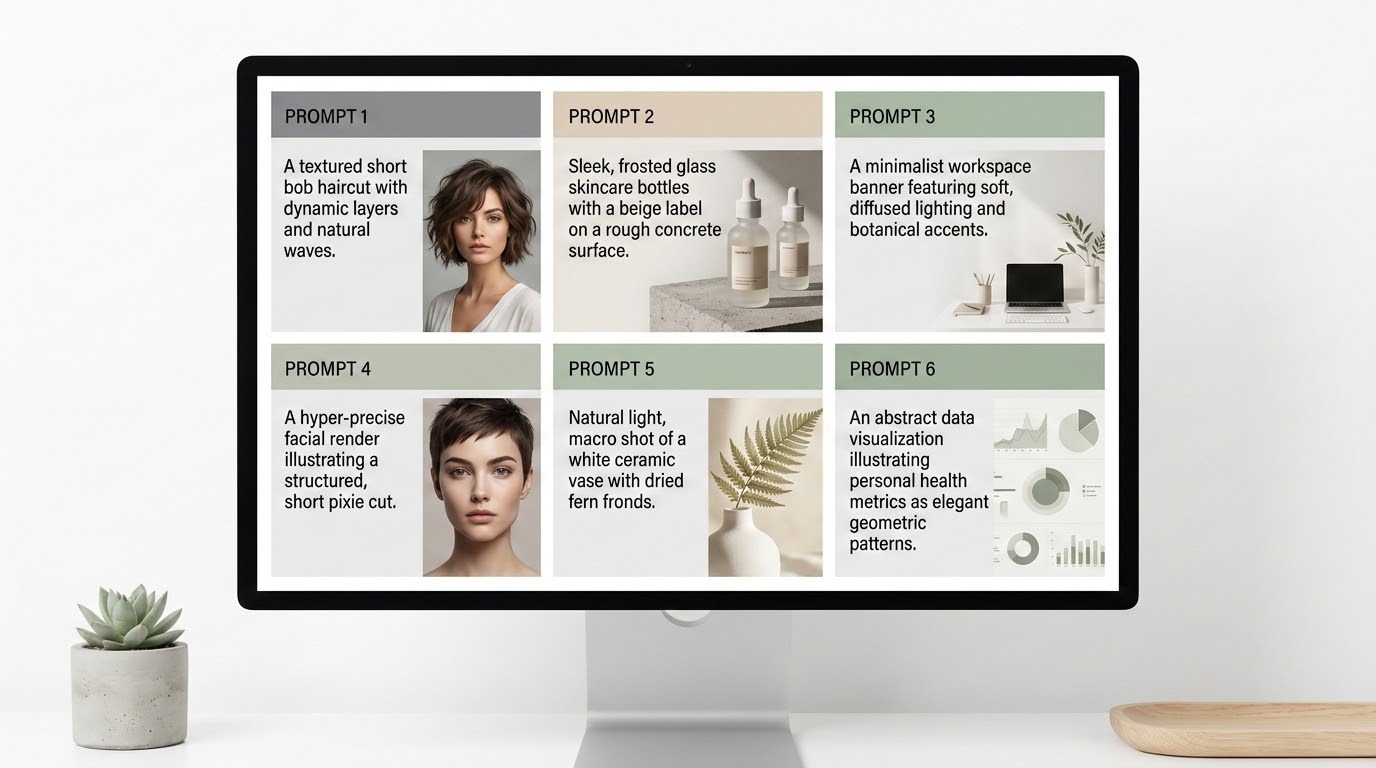
Getting good results from these styling and wellness tools requires a basic understanding of how to talk to the software. Early versions of consumer AI required users to click through endless predefined dropdown menus. Now, you are often expected to describe exactly what you want using plain language.
This is particularly true in aesthetic applications where you might want to combine different elements of a look. The accuracy of the final output relies heavily on the quality of your inputs. Writing clear image prompts is a practical skill you need to develop. If you tell an app you want a modern haircut, the result will be completely useless. If you ask for a textured crop with a mid skin fade and a heavy fringe, the AI has exact parameters to work with and will generate a useful reference photo.
Wellness apps are adopting similar conversational interfaces to eliminate tedious steps. Instead of manually searching a database and logging a cup of rice and a chicken breast, users can simply speak or type their meal in a normal sentence. The app parses the text, estimates the macronutrients, and logs the data to your daily profile. The primary goal for developers is removing the manual data entry that usually causes normal people to abandon these platforms after a single week.
The Data Behind the Personalization
All this hyper personalization requires an enormous amount of continuous data. Your daily habits, personal photos, and real time health metrics are the raw fuel for these machine learning models. The software industry is currently wrestling with how to balance this incredible utility with basic consumer privacy.
When an application knows your resting heart rate at 3 AM and has a 3D map of your face, security cannot be a secondary thought. The better developers are actively shifting toward on device processing. This architecture means the AI model runs directly on your smartphone processor rather than sending your private data to a remote cloud server. It speeds up the application response time and keeps your personal information entirely localized.
You've got to look at the terms of service and permissions before you commit your data to a platform. Free applications usually monetize your information by selling aggregated data to third party advertisers. Paid applications are much more likely to offer strict privacy controls and keep your data locked down. It's a straightforward business tradeoff.
Practical Limitations to Keep in Mind
It's very easy to get caught up in the aggressive marketing surrounding these new tools. Tech companies want you to believe their proprietary AI will revolutionize your daily life overnight. The reality on the ground is much more iterative.
An AI wellness application will not do the physical work for you. A styling app might give you an incredible mockup of a new look, but you still need to find a competent professional who knows how to execute it with real tools. These applications are essentially highly advanced mirrors. They reflect your potential and give you a structured roadmap to get there.
The models also make bad assumptions. A fitness app might tell you to push hard on a sprint workout because your sleep score was high, but it cannot feel that your left knee is inflamed. You have to maintain your own judgment. Use the software to gather insights and visualize your options, but keep the final physical decisions in your own hands.