


- Sell SaaS
- /
- Blog
- /
- What a Link Building SEO Service Actually Does — And Why Most Businesses Get It Wrong
- 11th May '26
- Sell SaaS
- 11 minutes read
What a Link Building SEO Service Actually Does — And Why Most Businesses Get It Wrong
Marcus had been running his e-commerce store for three years. Good products. Decent content. A website his developer called "fully optimized." Yet page two of Google felt like a permanent address. A colleague mentioned backlinks. Marcus hired the cheapest service he could find. Six weeks later, his organic traffic dropped by 40 percent. Google had flagged his site for unnatural link patterns. It took eight months to recover. His story is not unusual. It plays out every week across thousands of small businesses, agencies, and independent operators who discover — too late — that not all link building is created equal. Choosing a professional link building seo service is not just a tactical decision. It is a risk management decision with long-term consequences for your domain, your rankings, and your revenue.
What a Link Building SEO Service Is and Why It Matters
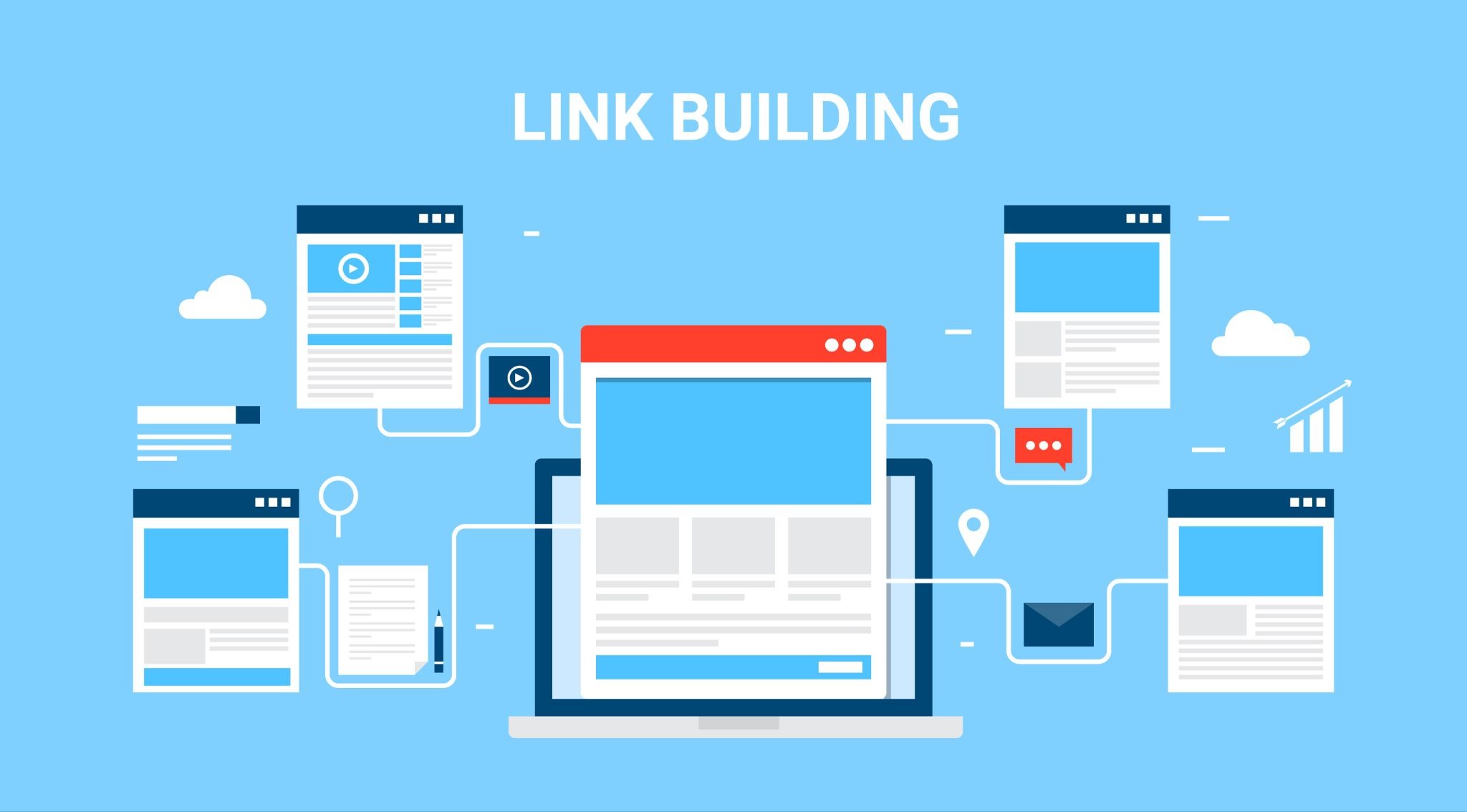
A link building SEO service manages your off-page SEO on your behalf. The core job is straightforward: securing backlinks from external websites that point back to yours. But the execution is anything but simple.
Google's algorithm uses backlinks as one of its most heavily weighted ranking signals. Think of each backlink as a vote of confidence. A link from a high-authority, high-traffic website tells Google that your content is credible and worth surfacing. According to a study published by Backlinko analyzing over one billion web pages, the number-one ranking result on Google has an average of 3.8 times more backlinks than pages ranked two through ten.
How high-authority backlinks signal trust and relevance to search engines
Not all votes carry equal weight. A backlink from a niche-relevant publication with 50,000 monthly readers carries more ranking power than a hundred links from low-traffic directories. Domain Authority and Trust Flow are the two primary metrics professionals use to evaluate donor sites. A DA of 50 or above signals a well-established site. A Trust Flow of 30 or higher indicates a clean, trustworthy backlink profile behind the source site itself.
When a reputable service builds these links for you, the cumulative effect is measurable domain authority improvement — the kind that pushes pages from position 15 to position 4, where traffic actually converts.
Why businesses choose off-page SEO outsourcing over in-house efforts
Building backlinks in-house sounds manageable until you map out what it requires. You need an SEO strategist, a professional content writer, a dedicated outreach coordinator, and access to a vetted network of publishing partners. You need time — lots of it. According to Moz, effective outreach campaigns often require 100 or more emails to secure a single quality guest post placement.
Outsourcing eliminates that overhead. A professional backlink building service brings an existing network, established relationships with publishers, and a repeatable process. You get results faster, at lower cost per link, and without the operational drag.
Types of Link Building Services Available
Understanding what types of links exist helps you match the right strategy to your goals. Here are the primary service categories you will encounter.
Outreach guest posting service
This is the most authoritative form of link building available. A writer produces a high-quality article relevant to your niche. That article is pitched to and published on a real editorial website. Your link appears naturally within the content. Because the host site has editorial standards and genuine readership, these placements carry significant SEO weight.
Guest post placements typically deliver dofollow backlinks — the type that directly passes link equity to your domain. Platforms like Crowdo start outreach guest posting at $59 per post, with donor sites selected based on real traffic and authority thresholds.
Crowd marketing links
Crowd marketing involves placing contextual mentions across forums, community blogs, Q&A threads, and discussion platforms. These are not spam comments. Done correctly, each mention is a genuine, useful response that happens to reference your website. The result is a natural-looking link profile that blends earned and placed links in a ratio that does not trigger algorithmic scrutiny.
Crowd marketing links are particularly effective for building topical visibility in niche communities where your target audience already congregates.
Quora and Reddit promotion
Both platforms carry significant domain authority. Quora has a global Alexa ranking in the top 100. Reddit is consistently among the top ten most visited sites in the United States according to SimilarWeb data. A well-placed, genuinely helpful answer on either platform can drive referral traffic for months and establish topical authority signals that complement traditional outreach link building.
These placements are best used alongside editorial guest posts — not as replacements for them.
Foundation links
New websites need a starting point. Foundation links use social profiles, business directories, and Web 2.0 citations to establish an initial backlink footprint. These are not high-authority placements. They are the baseline structure that signals legitimacy to Google's crawlers. For sites with thin or non-existent backlink profiles, foundation links create the scaffolding on which stronger links can be built.
Crowdo's foundation links start at $0.65 per link — an accessible entry point for startups or sites recovering from a penalty reset.
Local SEO link building
For businesses competing in specific geographic markets, local backlink strategies are essential. These target geo-specific directories, local news publications, regional business associations, and citation platforms like Google Business Profile, Yelp, and Bing Places. Google's local ranking algorithm weighs consistent NAP (Name, Address, Phone) citations heavily. A concentrated local link building effort directly supports visibility in map packs and near-me search results.
What Separates High-Quality Backlinks from Low-Value Ones
The difference between a backlink that lifts your rankings and one that tanks them comes down to a few measurable signals.
Key metrics to evaluate donor websites
-
Domain Authority (DA 50+): Developed by Moz, this 1–100 scale predicts a site's ability to rank. Links from sites scoring 50 or above carry substantially more ranking influence than those from low-DA sources.
-
Trust Flow (TF 30+): Majestic's Trust Flow measures how trustworthy a site's backlink neighborhood is. A TF of 30 or above indicates the site is linked to by credible, well-established sources — not link farms or private blog networks.
-
Real traffic (10,000+ monthly visitors): A site with genuine organic traffic has a real audience and passes a basic credibility test. Links from sites with near-zero traffic often come from expired domain setups or content mills — both red flags.
Dofollow vs. nofollow backlinks and their SEO impact
Dofollow backlinks pass PageRank and directly contribute to your domain's authority. Nofollow links carry a tag instructing search engines not to count them for ranking purposes — though Google has indicated it still "hints" at them. A healthy link profile includes both. An entirely dofollow profile looks manipulated. An entirely nofollow profile provides no ranking power. Aim for a roughly balanced mix, which is what most reputable services deliver by default.
Why niche relevance outperforms generic authority
A link from a finance blog to a fintech startup carries more contextual weight than the same link from a lifestyle blog. Google's Helpful Content Update and subsequent algorithm refinements have increased the importance of topical alignment. Relevance between the donor site, the surrounding content, and your target page is now a measurable quality signal — not just a best practice.
Who Benefits Most from Outsourcing to a Link Building SEO Service
Three groups consistently find the most value in outsourced link building.
Independent business owners and startups
New websites competing against established players face a significant authority gap. Without a dedicated SEO team, building backlinks manually is simply not feasible alongside running a business. Outsourcing to a managed service compresses the timeline for domain authority improvement and levels the competitive playing field during the critical early growth phase.
In-house SEO specialists and digital marketing managers
Even experienced SEOs often hit a ceiling on link volume when working alone. Outreach is time-intensive. Publisher relationships take months to cultivate. A reliable white hat link building partner supplements internal capacity — handling acquisition at scale while the in-house team focuses on strategy, content, and technical SEO.
SEO agencies and resellers
Agencies managing multiple client accounts cannot maintain quality link building at volume without a trusted fulfillment partner. White-label link building allows agencies to deliver consistent results across campaigns without hiring additional staff. According to a 2023 survey by Agency Analytics, 67 percent of SEO agencies outsource at least some portion of their link building activities.
How a Professional Link Building Service Works Step by Step
Understanding the process demystifies what you are paying for and helps you evaluate whether a provider is delivering real value.
Step 1: Onboarding and campaign discovery
A legitimate service begins with questions, not deliverables. What are your target URLs? What anchor text strategy aligns with your current backlink profile? What is your niche and who are your key competitors? This discovery phase shapes every placement decision that follows.
Step 2: Donor site selection and vetting
This is where quality services separate themselves. Rather than pulling bulk lists from Ahrefs exports or recycled link databases, reputable providers hand-pick each donor site against defined criteria. Real traffic. Verified DA. Relevant topical focus. No history of manual penalties. This manual curation is slower — but it is what keeps your backlink profile clean.
Step 3: Content creation and link placement
Writers produce contextually relevant content that earns its placement editorially. Anchor text is varied deliberately to avoid over-optimization signals. A mix of branded, partial-match, and natural phrase anchors keeps the profile looking organic. According to Google's own Search Quality Evaluator Guidelines, content must serve the reader first — not the algorithm.
Step 4: Reporting, delivery, and link monitoring
After placements go live, you receive a report with live URLs, domain metrics, and campaign summaries. Strong providers also offer a link replacement guarantee — typically 12 months — meaning if a placed link goes dark, it is replaced at no additional cost. This warranty signals provider confidence in both their publisher relationships and the longevity of their placements.
Understanding Link Building Service Pricing
Pricing in this industry varies enormously. Here is what drives it.
What affects the cost of a backlink building service
Three variables dominate pricing: the authority of the donor site, the competitiveness of your niche, and the type of link being placed. Foundation links from directories can start at under a dollar. Crowd marketing links from active forum communities typically range from $7 to $15. Outreach guest posts on high-DA editorial sites start around $59 and can climb into the hundreds depending on publication authority.
How to evaluate value rather than just cost
The cheapest options are almost never the safest. Services offering 100 backlinks for $20 are almost certainly using private blog networks, link farms, or automated software. These are black-hat tactics. Google's Penguin algorithm was specifically designed to detect and penalize them. Marcus, the business owner mentioned at the start of this piece, paid $80 for his link package. His recovery cost him eight months of lost traffic and an estimated $14,000 in missed revenue.
Evaluate cost against what a single first-page ranking is worth in lifetime traffic value — not against the lowest price you can find on a freelance marketplace.
Key Differentiators to Look for When Choosing a Link Building SEO Service
Not every provider is equal. These are the factors that separate genuinely reliable services from the rest.
Dedicated account management and communication
A single point of contact who understands your campaign, your niche, and your goals is worth more than a dashboard login. Account managers catch errors before they become problems. They align delivery with shifting strategy. For agencies managing multiple campaigns, a responsive account manager is the difference between scalable delivery and constant firefighting.
Commitment to white-hat techniques and editorial standards
Ask directly: do you use PBNs? Do you work with link networks? Do you use automated submission tools? The answers tell you everything. A provider committed to white hat link building will not just say no — they will explain why, and they will show you examples of the sites they actually use. Transparency here is non-negotiable.
Transparency, guarantees, and track record
A one-year link replacement guarantee is a meaningful commitment. It signals that the provider is confident enough in their placements to stand behind them long after delivery. Social proof matters too. A service trusted by over 2,000 SEO specialists — with not a single reported Google penalty across its client base — is not making that claim from thin air. That record is verifiable through reviews on platforms like Clutch and G2.
Scalability and service range for diverse campaign needs
The best link building partners grow with you. A provider that offers crowd marketing, guest posting, Quora and Reddit promotion, local SEO, foundation links, and GEO visibility packages gives you flexibility as your strategy evolves. You should not need five vendors to cover five link types. A single partner with documented expertise across service categories simplifies campaign management and ensures consistent quality across the board.
Whether you are recovering from a penalty, launching a new domain, or scaling an agency's client delivery, the right link building SEO service is less about finding the cheapest option and more about finding the one that will not cost you eight months of traffic to undo.