

- 21st May '26
- Sell SaaS
- 6 minutes read
How IoT and SaaS are Merging To Transform Industries
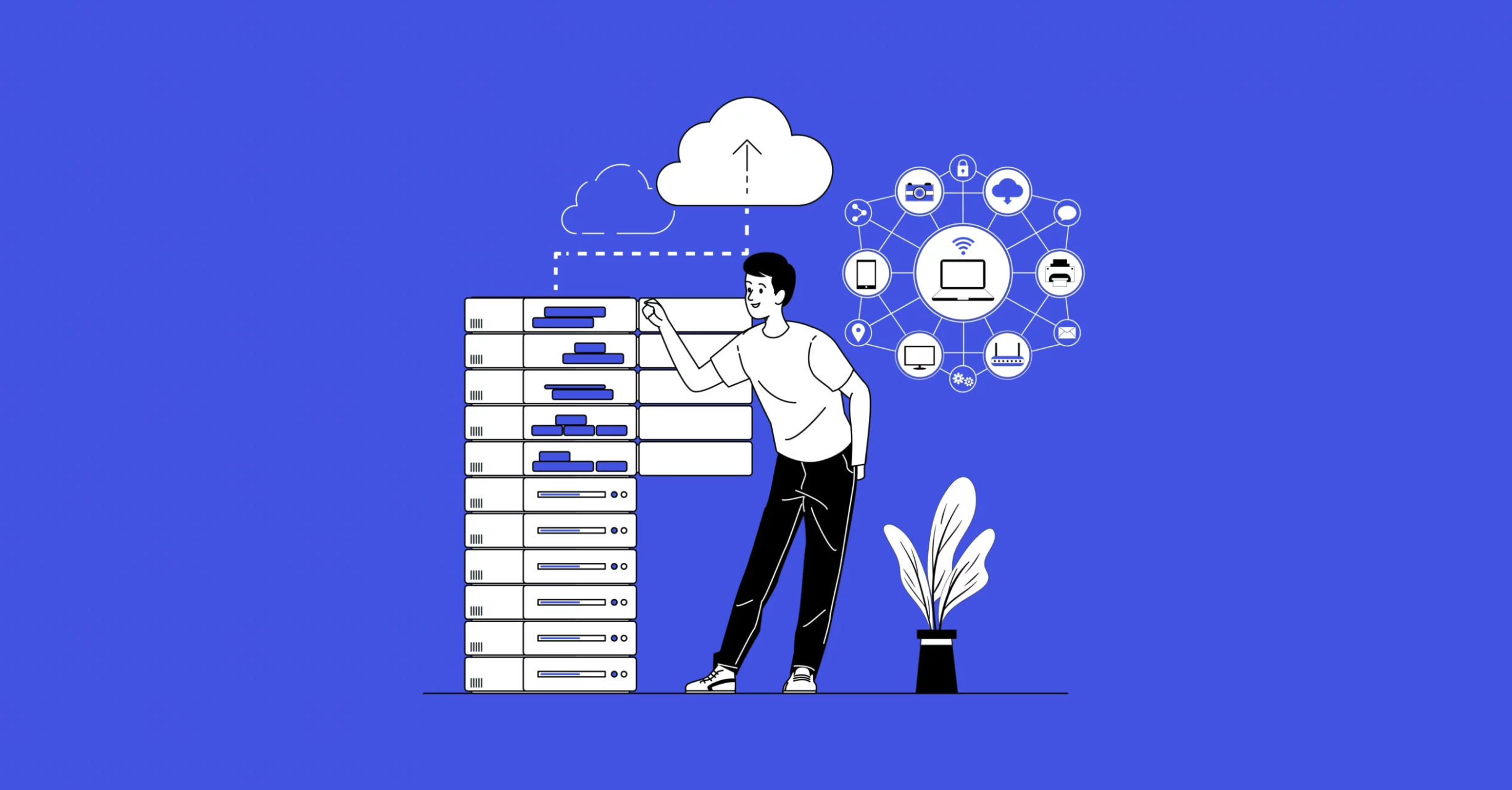
The coming together of IoT and SaaS has transformed how businesses run, automate processes, and scale. IoT basically refers to physical devices that are connected to the internet whose work is to collect and exchange data. These include smart sensors, GPS trackers, smart home devices, and the like. On the other hand, SaaS platforms are cloud-based software applications that process data, automate workflows, and generally do the decision making in real time. The convergence of these two technologies has proven to be critical in many industries because of these reasons.
Why The Combination of IoT and SaaS Is Growing Fast
Real-Time Data Has Become Critical
Daily or weekly reports are no longer effective. Businesses are looking for live operational insights, and this can only be provided efficiently using IoT devices. These data sources provide continuous data streams in real time, which are fed into SaaS cloud platforms for processing and transformation into meaningful information. Unlike local processing, SaaS cloud platforms can be accessed from anywhere, so this information can be accessed by teams remotely, ensuring they are always up to date about business operations.
An example is a fleet management system, where GPS trackers provide the location of the vehicles in the fleet in real time to monitor their movement and detect if they go off course or stop for longer than usual while on transit.
Cloud Infrastructure Simplifies Scaling
As compared to local data processing, cloud computing cuts the cost of storing and processing the massive data points generated by IoT devices. Modern SaaS platforms can cheaply handle millions of IoT device connections, automate alerts, analyze data instantly, integrate with AI for more intelligent decision making and prediction, while also providing insights to any end-user internet-connected device. This simplifies business scaling and gives small businesses a chance to compete with established firms in the market.
Subscription Revenue Models Have Proven Profitable
SaaS turns software and hardware from one-time purchases to recurring revenue sources by charging for monthly subscriptions, AI-powered reporting, analytics subscriptions, device management platforms, etc., which is more sustainable for SaaS providers. This is a win-win situation for both parties because the SaaS model is also cheaper for users to get started.
How IoT and SaaS are Merging To Transform Industries
Manufacturing
Manufacturing industries are perhaps the biggest beneficiaries of the convergence of IoT and SaaS because IoT sensors attached to production machines collect data and send it to the cloud, which analyzes it to enable predictive maintenance, reduce downtimes, monitor worker safety, and more.
In wiring harness manufacturing, for instance, sensors attached to production machines like wire cutting and stripping tools can monitor the throughput continuously in real time, allowing floor managers and engineers to identify bottlenecks immediately they occur for quick fixing to restore equipment efficiency.
Since manufacturing requires several machines, it is important to keep them functioning at optimal conditions to prevent costly downtimes. IoT temperature and vibration sensors mounted on these machines can transmit data to the cloud, where software can compare the inputs to the set thresholds and determine if there are anomalies to initiate shutdowns or schedule maintenance.
Healthcare
IoT is also changing healthcare by creating a system of interconnected medical devices that gather data from patients to enable remote patient monitoring in real time. These medical devices include things like blood pressure monitors and glucose meters, which function as the sensors or data sources in the network. The data from these end nodes is fed into clinical dashboards, which are custom-made SaaS solutions, for analysis and decision making.
For instance, if a patient’s blood pressure spikes, this triggers an alert, which is sent to the medical officer in charge to visit the patient for treatment or administer it remotely. This smart healthcare system allows one person to care for multiple patients effectively at a time, instead of a one on one basis.
Logistics and Transportation
Fleet management is the biggest beneficiary of IoT and SaaS in the logistics and transportation field because such platforms enable businesses to track vehicle location, driver behavior, fuel usage, route efficiency, and maintenance schedules. This system can also go a step further to provide predictive maintenance to the fleet by plugging into the vehicle’s OBD-II ports to monitor its mechanical health in real time and flag issues before a breakdown occurs.
Since the vehicle is at the mercy of the driver, IoT sensors and SaaS systems can keep track of driver behavior by checking variables like harsh braking, idling, and rapid acceleration to help advise on ways to improve fuel economy while also preventing excessive wear and tear.
Smart Buildings
Property managers can also run IoT-enabled SaaS systems to boost security monitoring, reduce energy wastage, automate heating and cooling, provide smart access control, and monitor occupancy levels.
Occupancy level tracking is particularly critical, and it uses thermal sensors plus video-based AI (overhead cameras) to keep track of the people entering and leaving a building with over 90% accuracy. Some setups also incorporate seat and desk sensors positioned under workstations to detect active human presence. All this data is fed into an analytics SaaS application, which instructs building management systems to adjust parameters like lighting and HVAC only for the occupied areas to cut utility costs.
Corporate offices and retailers can also use occupancy level tracking to determine employee dwelling hours and peak retail hours to better align staffing while also streamlining maintenance. This can cut cleaning and scheduling costs by up to 30%.
Agriculture
Crop farming is made smart by using moisture, nutrient level, and temperature sensors mounted in the soil to optimize irrigation and fertilizer usage. These can be coupled with smart weather stations deployed on farms to keep track of the solar radiation, rainfall, and wind to enable weather prediction.
In greenhouses, IoT systems help to regulate the internal climates, including lighting, while livestock farming requires wearable sensors to keep track of the animal’s eating habits, health, and location.
All these enable precision farming, cost reduction, resource conservation, and predictive analytics
Wrapping Up
In a nutshell, IoT and SaaS are transforming industries by bringing in a smartness aspect, which is made even better if the SaaS platforms incorporate AI for analytics and prediction. This market is expanding rapidly because businesses are increasingly demanding for automation, real-time visibility, reduced operational costs, and predictive insights. If you would like to acquire even a slice of this market, we can help you set up several SaaS tools to sell to businesses using a subscription model. Reach out for more information.