


- 21st May '26
- Sell SaaS
- 6 minutes read
How To Improve Lead Generation For Your Business
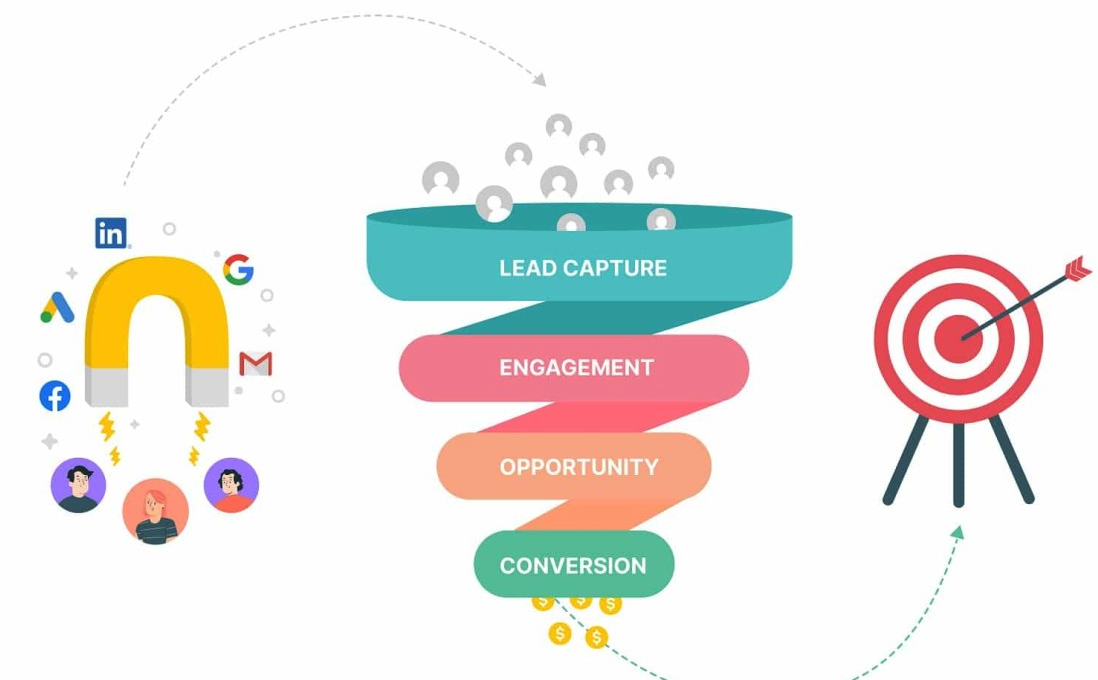
Leads don’t appear magically in business. You have to pull them in, and that’s basically what is called lead generation. However, lead generation isn’t just about getting all the leads there are out there. Instead, it's about getting the right leads, and these are qualified prospects who are interested in what you are offering. It is important to note that people don’t like feeling like they are being chased nowadays. They want to discover, engage, and make decisions according to their own terms. So lead generation must factor in these aspects, and here are 7 methods you can use to attract high-quality leads to the point of turning them into customers.
7 Ways To Improve Lead Generation For Your Business
-
Create Engaging and Valuable Content
Potential customers rarely pay attention to generic or vague articles. The only way to reel them in is by creating engaging and valuable content by implementing these strategies.
-
Share Useful and Concise Data: Include case studies, real world data, and insights that answer real pain points and naturally push clients to undertake actionable takeaways.
-
Make the Content Interactive: Interactive content is fun because readers don’t just feel passive. Things like ROI calculators, quizzes, and assessments can make the content more interactive. In a PCB or wiring harness assembly website, for instance, a free quoting assessment can engage visitors more because they get to discover the pricing for their project on their own before even committing.
-
Repurpose Content: Try to turn long form content in your website into bite-sized chunks of information then post these pieces on social media (especially LinkedIn) and as email newsletters. These should all link back to your website and the goal here is to maximize your reach.
-
Mix With Other Forms of Content: Infographics, videos, and short-form content should be part of the mix to capture leads with short attention spans.
-
Use SEO Smartly: Don’t just stuff keywords. Do a smart keyword search to ensure the content ranks highly on search engines and AI summaries.
These strategies should increase the lead conversion rates and reduce the cost per qualified lead.
-
Optimize Your Website for Lead Capturing
Besides content, you have to optimize the website to become a conversion magnet using these optimization strategies.
-
Design Mobile First: Over 60% of web traffic comes from mobile devices. So think mobile first to avoid things like users having to zoom each web page to read the content.
-
Keep the Forms Short: Forms should only ask about the essential details, not feel invasive. Check out this form to get a feel of what a short and precise one should look like.
-
Keep the Landing Pages Clean: Landing pages should be simple and easy to navigate because their goal is to capture leads before they close the tab.
-
Run Interactive Lead Magnets: Things like free ebooks, free trials/demos, quizzes, and calculators should be included to give your audience a valuable exchange for their contact details.
-
Use Social Media
Social media is good for fun and memes, but it can also be used for meaningful engagement if you have a strategy. For instance, you can post testimonials, success stories, and case studies on platforms like LinkedIn to build trust and credibility. This is actually proven to work because LinkedIn posts containing user-generated content usually get 2X the engagement compared to regular posts.
This engagement can lead to DMs, which are more effective at converting than cold outreach. Remember to also optimize your profile for conversions by ensuring pinned posts and bio details lead to your website’s landing page.
Other techniques to consider include:
-
Using platform-specific lead forms to capture leads while in the social media app
-
Creating gated content, such as webinars, reports, and industry insights, for your social audience in exchange for email signing up
-
Using social media ads for retargeting, which bring back visitors who engaged with your post but didn’t convert.
-
Do A/B Testing For Real World Comparison
A/B testing aims to compare multiple versions of the same webpage, website, email, app, etc., in the real world to determine the one that is more effective. This helps to refine aspects like visuals, headlines, subject lines, open rates, call-to-actions, and email campaigns to boost lead conversion and engagement.
-
Use Lead Qualification and Lead Generation Tools
You can employ a little bit of tech to help you qualify leads using sales intelligence tools, which analyze metrics like:
-
Firmographic Data: In determining B2B leads, firmographics checks if the company-related data (industry, size, location, revenue, etc.) matches your customer profile.
-
Website Visits: Checks who’s repeatedly checking out your website, specifically the pricing page, because these are potential leads.
-
Buying Intent Signals: Checks if the potential leads are actively searching for similar solutions on other websites.
-
Content Engagement: Monitors the lead magnets that convert the most high-quality leads.
Lead generation is different because it involves extracting phone numbers, email addresses, social media URLs, and usernames from company website URLs. Such software applications pull this data and export it to Excel or as CSVs in one click, which you can then import into your CRM to cultivate the leads via cold outreach. For teams that also need to unify tasks, calendars, meetings, messages, and follow-ups across multiple apps, an all-in-one productivity tool like Akiflow can centralize daily execution, reduce context switching, and help workflows move efficiently.
-
Run Targeted PPC Campaigns
PPC campaigns shorten the visibility game as compared to SEO, but they only improve lead generation if targeted at the right audience. With Google Search ads, for instance, you can use bottom of the funnel keywords, such as best custom cable harnesses and box builds, which indicate purchase intents. These result in more lead conversions as compared to generic top of the funnel keywords.
-
Set Up a Lead Scoring System
Not all leads are the same, and a lead scoring system can help you to segregate them for more effective conversion. This scoring system entails assigning points based on specific actions, such as engagement with high-value pages on your website, attending webinars, and downloading whitepapers. Those who constantly engage with pages and features on your website should get more points because they are more likely to buy. Prioritizing more on these leads will help to save time and money in the long run.
Wrapping Up
To conclude, improving lead generation is all about making potential clients come to you, then cultivating the highly interested parties to become actual buyers. The measures and techniques above perform differently, so it makes sense to measure the success of each one by quantifying the cost of acquiring a lead using each method. This will help to better allocate marketing budgets and increase the overall success of the business.